FABE programme • Markets • Circular energy
Cleaner markets. Useful energy. Healthier air.
Biogas & Clean Air builds partnerships for safer markets, organic-waste recovery, biogas and practical clean-air action in Lagos communities.
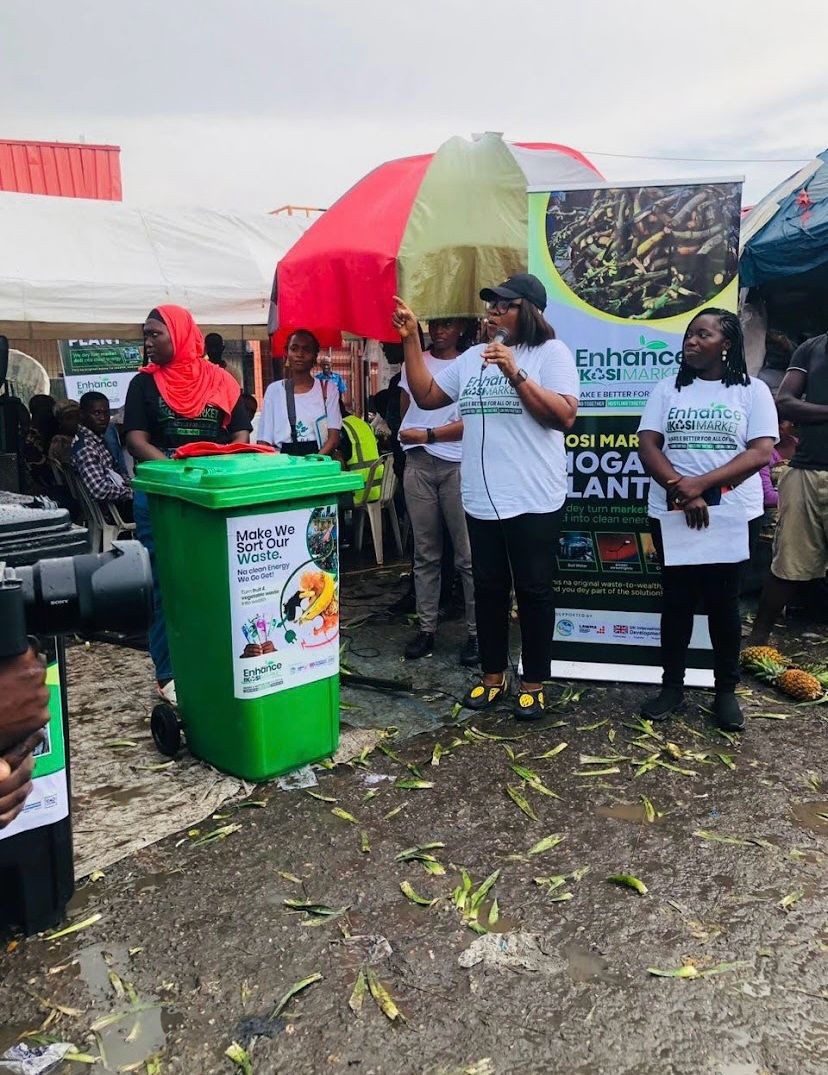
9 Feb 2026
Ikosi-Ketu Market Anaerobic Digester unveiled.
C40 Cities
0.5 t/day
Biogas feedstock capacity cited in C40 programme documentation.
C40 programme record
30 kWh/day
Published electricity-output estimate for the project.
C40 programme estimate
1,000+
Traders at Ikosi Fruit Market in the C40 programme overview.
C40 programme overview
The programme
A market system built around people—not technology alone.
Biogas & Clean Air connects market leadership, traders, waste workers, public agencies, technical partners and funders around a shared operating system: prevent avoidable food waste, separate organics correctly, recover useful material and turn suitable residues into biogas and digestate.
FABE’s role is rooted in the human side of the system—stakeholder engagement, accessible environmental education, source-separation practice and community ownership. The purpose is practical: reduce unmanaged organic waste, support cleaner trading environments and help communities understand how circular infrastructure works.
Market-based
Solutions begin with the waste streams, routines and priorities of a real trading community.
Partnership-led
Public leadership, technical delivery, logistics and community participation are designed together.
Learning-centred
Traders and local champions learn why sorting quality, safe handling and consistent participation matter.
How the system works
From market residues to local value.
Each stage depends on the one before it. Source separation protects feedstock quality; reliable operations make energy recovery possible; monitoring supports safer performance and better decisions.
01
Understand
Assess waste types, quantities, handling practices, energy needs and the roles of market stakeholders.
02
Separate
Train traders and handlers to keep suitable organic material apart from plastics, metals and other contamination.
03
Collect
Establish practical routes, containers, responsibilities and schedules for dependable organic-waste recovery.
04
Digest
Process suitable organics in a managed oxygen-free system where microorganisms generate biogas and digestate.
05
Use
Apply the recovered energy and nutrient-rich by-product through safe, locally appropriate pathways.
06
Improve
Track participation, contamination, plant performance, safety and community benefits to refine the model.
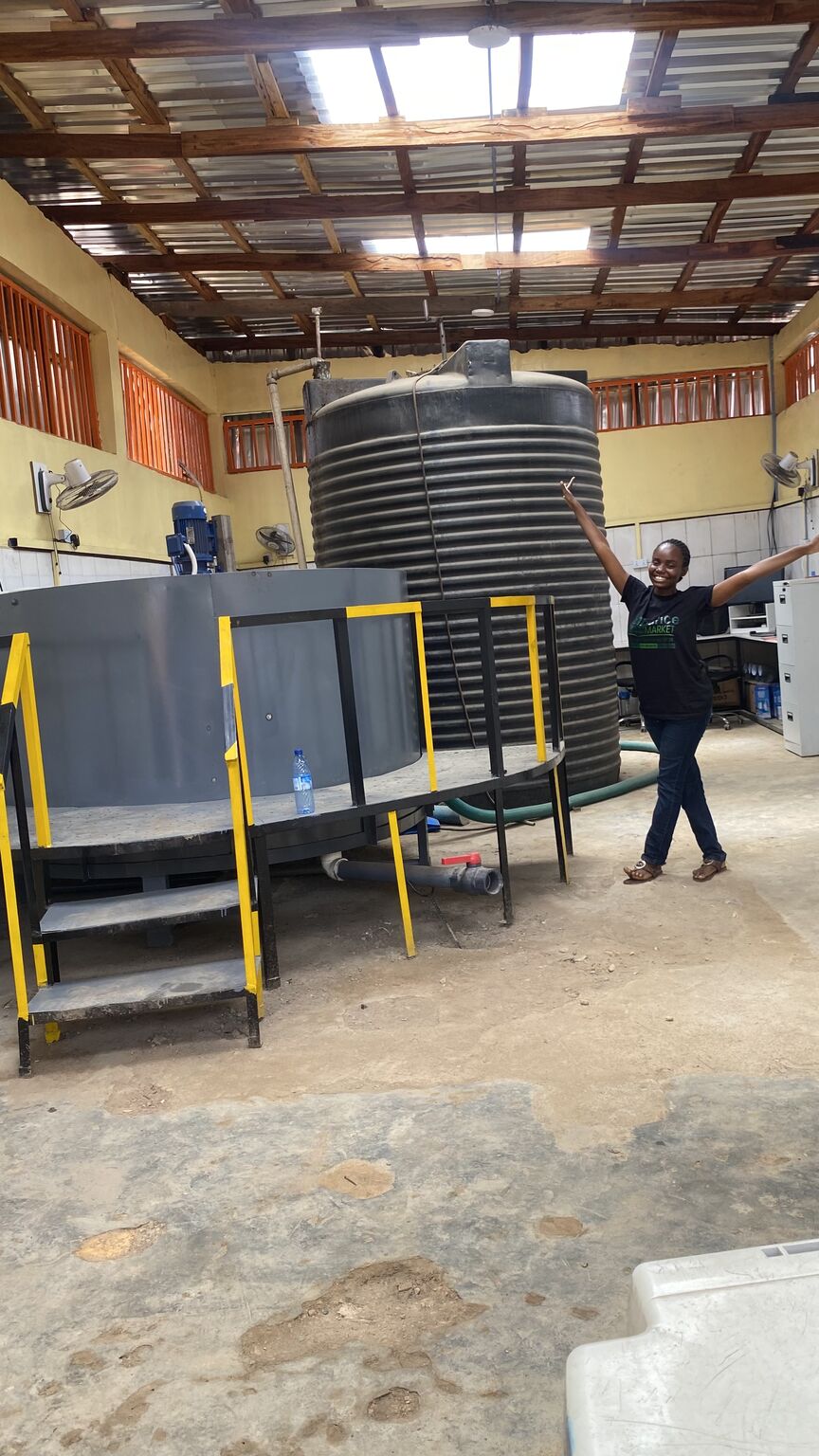
Field case study
Ikosi-Ketu: circular infrastructure in a living market.
On 9 February 2026, Lagos unveiled the Ikosi-Ketu Market Anaerobic Digester under the C40 Urban Climate Action Programme. C40 reports that the system converts organic waste into biogas and digestate; the gas supports market lighting, cooking and charging for phones and point-of-sale devices.
FABE’s published field updates document trader engagement, multilingual training and hands-on source-separation education. The work illustrates a central lesson of the programme: technology becomes useful only when daily routines, collection systems, local leadership and operating responsibilities function together.
Practical clean-air action
Clean air begins with better everyday systems.
The programme connects organic-waste management with actions that can reduce smoke, odour, pests and uncontrolled decomposition while improving market safety and environmental health.
01
Prevent open burning
Keep suitable organic material in recovery pathways instead of allowing it to be burned or mixed into unmanaged waste.
02
Manage organics promptly
Clear storage, collection and treatment routines help reduce rotting piles, nuisance odours and pest attraction.
03
Use cleaner local energy
Safely managed biogas can support cooking and electricity uses while turning unavoidable organic residues into a resource.
Partnership architecture
A role for every part of the market system.
No single institution can deliver a durable market-based biogas programme. Roles, resources and accountability must be clear from the beginning.
Market community
Market leaders, traders and local champions shape routines, participation and practical feedback.
Public agencies
Government and waste authorities align the work with public systems, oversight and city priorities.
Technical operators
Technology and service partners design, operate and maintain safe recovery and treatment systems.
Funders & researchers
Investment, evaluation and learning partners help test performance, document outcomes and support responsible scale.
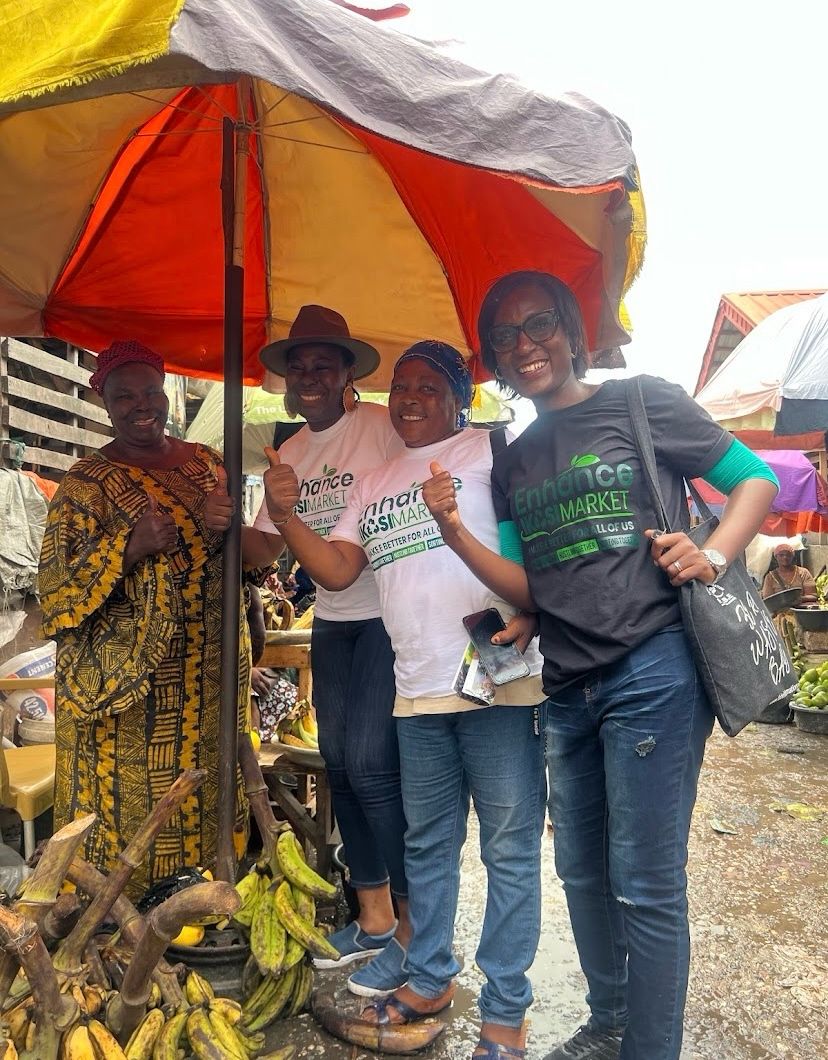
Community engagement in the market. Source: FABE project-team update
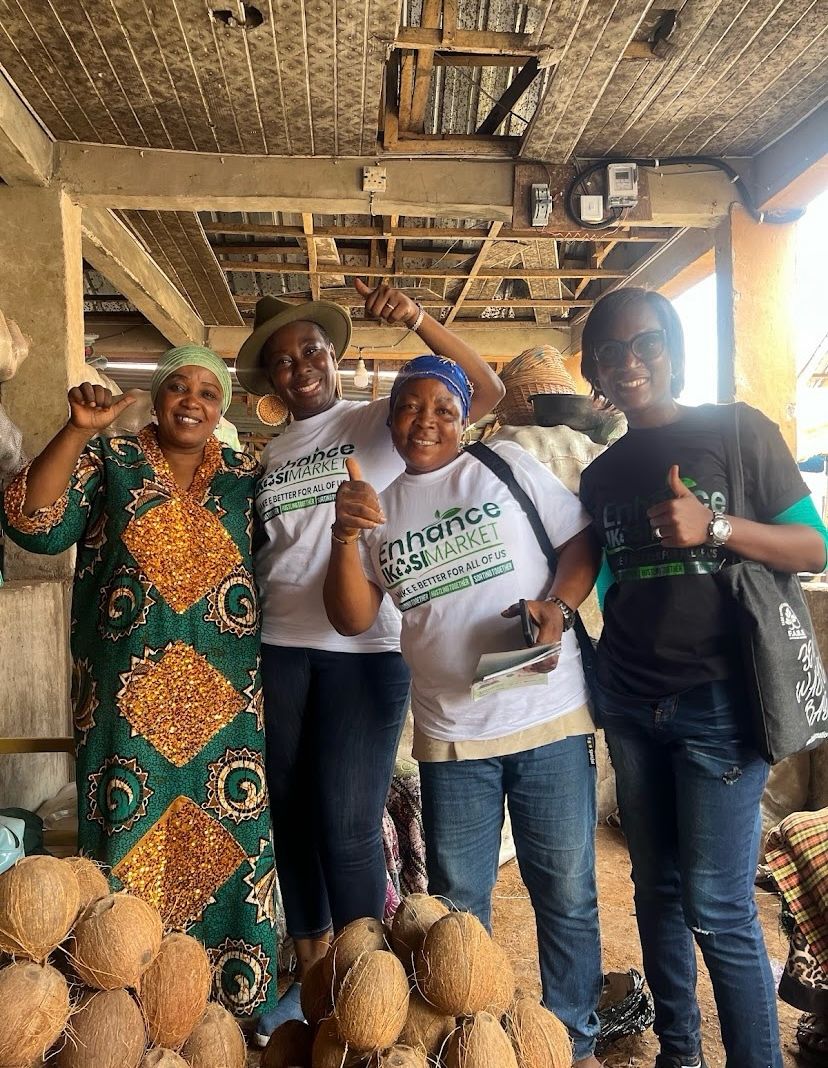
Trader participation and multilingual outreach. Source: FABE project-team update
Responsible implementation
Infrastructure must be safe, maintained and measurable.
These are programme-design principles for future partnerships, not claims about the performance of every facility.
Feedstock quality
Clear acceptance rules and contamination checks protect the treatment process and its outputs.
Gas & site safety
Qualified design, ventilation, leak detection, access control and emergency procedures are essential.
Operations & maintenance
Named operators, scheduled maintenance, spare-parts planning and reliable financing keep systems working.
Monitoring & learning
Track waste intake, contamination, output, downtime, incidents and user experience to guide improvement.
Evidence base
Built from current, verifiable public records.
This page distinguishes documented project facts from proposed programme practice. The Ikosi-Ketu commissioning date, technical function and cited programme figures come from C40 Cities. FABE’s role in trader education and source-separation engagement is documented through FABE and project-team social updates.
Published figures should be reviewed against operating data before being described as verified long-term outcomes. The page therefore labels design capacity and projections clearly and makes no unsupported claims about emissions, income or health impacts.
C40 Cities
Official 2026 handover record for the Ikosi-Ketu Market Anaerobic Digester and its intended market uses.
FABE field record
FABE’s official launch communication and project-team account of trader engagement, sorting education and partner participation.
Work with FABE
Bring market knowledge, technical capacity and public purpose together.
FABE welcomes conversations with market associations, public agencies, waste-service providers, biogas specialists, clean-energy partners, funders, universities and community organisations.
Contact FABE
Start with the market and its operating reality.
Use this form to discuss a market assessment, technology collaboration, organic-waste logistics, public-sector partnership, sponsorship, research or media request.
info@fabeinternational.org
+234 916 000 4397
16A Ben Chii Onyido Drive
Chevy View Estate, Lekki
Lagos, Nigeria
Any new project is subject to technical assessment, partner agreement, site suitability, regulatory requirements, safety planning and confirmed funding. Submitting an enquiry does not create a commitment by either party.
FABE INTERNATIONAL FOUNDATION
Creating an eco-conscious generation across Africa through environmental education, circular solutions and community action.
info@fabeinternational.org
+234 916 000 4397
Lagos, Nigeria
© 2026 FABE INTERNATIONAL FOUNDATION. All Rights Reserved.