FABE International Foundation
☰
FABE programme • Women • Circular economy
Women turning waste into practical value.
Waste Wise Women equips women with practical skills to manage household and community waste, transform materials and organics, and explore pathways into green enterprise and local environmental leadership.
Learn. Make. Lead.
Hands-on environmental learning designed for everyday use, community action and livelihood exploration.
Women at the centre of local circular solutions
Community-based
Learning organised around the places where women live, work and influence daily choices.
Hands-on
Demonstrations and practical exercises connect knowledge directly to action.
Circular
Waste is approached as material that can be reduced, recovered, composted or transformed.
Women-led
Participants are encouraged to share skills and strengthen environmental action around them.
The programme
Practical knowledge for cleaner homes, stronger communities and greener livelihoods.
Waste Wise Women is FABE International Foundation’s women-focused environmental learning and empowerment programme. It brings together waste literacy, composting, recycling, upcycling, sustainable living and green-enterprise thinking in an applied learning experience.
The programme begins with everyday materials and familiar household practices. Participants learn to identify waste streams, prevent avoidable waste, separate materials correctly and explore ways to return organics to soil or create new value from recoverable materials. Delivery can be adapted to a community, association, institution or partner-supported cohort after FABE confirms the local context.
What women learn
Five connected areas of practical circular-economy learning.
The exact mix is agreed for each cohort. These core areas reflect FABE’s public description of the programme and its documented field practice.
01
Waste literacy
Understand common waste streams, health and environmental risks, and the value of reducing and separating waste at source.
02
Composting
Learn how suitable kitchen and garden materials can be transformed into compost for healthier soil and productive growing.
03
Recycling
Identify recoverable materials, improve sorting quality and understand the routes that connect materials to responsible recovery.
04
Upcycling
Explore creative ways to turn overlooked materials into useful products while developing confidence with tools and making.
05
Green enterprise
Consider customer needs, material supply, quality, costing and market pathways for locally relevant circular products and services.
Learning by doing
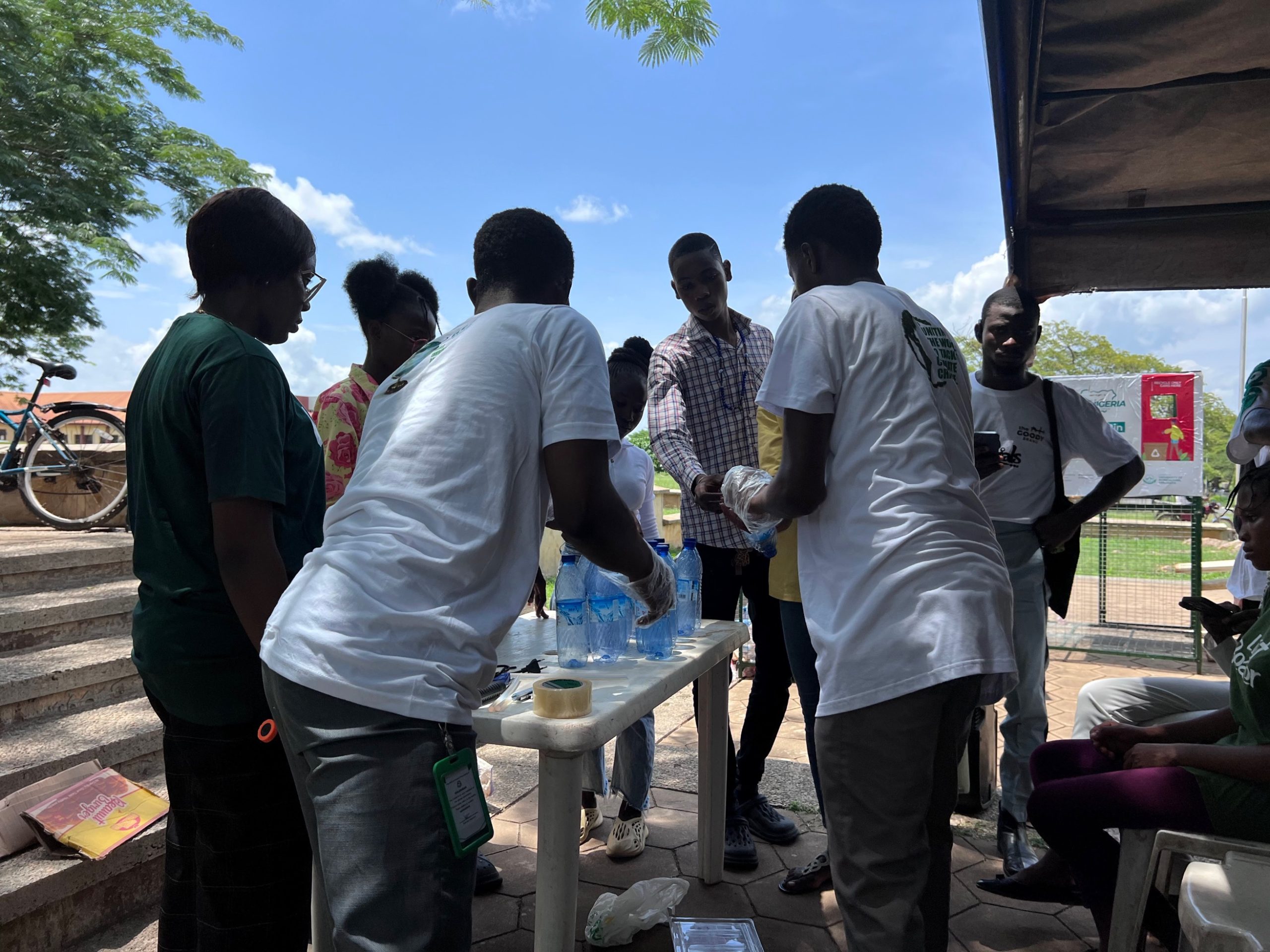
A practical session makes the circular economy visible.
Participants do more than hear about waste. They examine materials, practise techniques, ask questions and connect new knowledge to the decisions made in homes, gardens, markets and community spaces.
In a recent Waste Wise Women activity shared by FABE, women learned how everyday kitchen waste can become organic compost. FABE reported that the training was supported by KENNA and framed it as a step towards sustainable living.
Programme journey
From household choices to community leadership.
The pathway is designed to move from understanding to application. Delivery depth, duration and enterprise content are tailored to the group and confirmed before implementation.
01
Understand
Map everyday waste, its environmental consequences and the practical opportunities for prevention and recovery.
02
Separate
Practise safe, clear source separation so organics and recoverable materials remain useful.
03
Transform
Apply composting, recycling or upcycling techniques suited to the materials and local context.
04
Design value
Connect skills to real needs, useful outputs and responsible material or product pathways.
05
Explore enterprise
Introduce practical questions about quality, costing, customers, partnerships and market access.
06
Lead locally
Encourage participants to share practices, model better choices and mobilise action in their networks.
Public programme record
Content grounded in FABE’s published work.
FABE’s live homepage describes Waste Wise Women as hands-on training in waste management, composting, upcycling, sustainable living and green entrepreneurship.
FABE’s official LinkedIn update documents a recent training in which women learned to convert kitchen waste into organic compost with KENNA’s support. An Ashoka profile of FABE founder Temitope Okunnu also describes the wider model as practical skills in sorting, recycling, upcycling and composting, with women becoming community leaders.
No unsourced participant totals or income claims are presented on this page. Programme scope and outcomes should be updated from verified FABE monitoring records.
Learn
Build practical understanding of waste, soil, materials and circular choices.
Apply
Turn knowledge into repeatable practices through demonstrations and guided activity.
Share
Extend learning through households, peer networks and community participation.
Women as change agents
Skills become stronger when they travel through trusted networks.
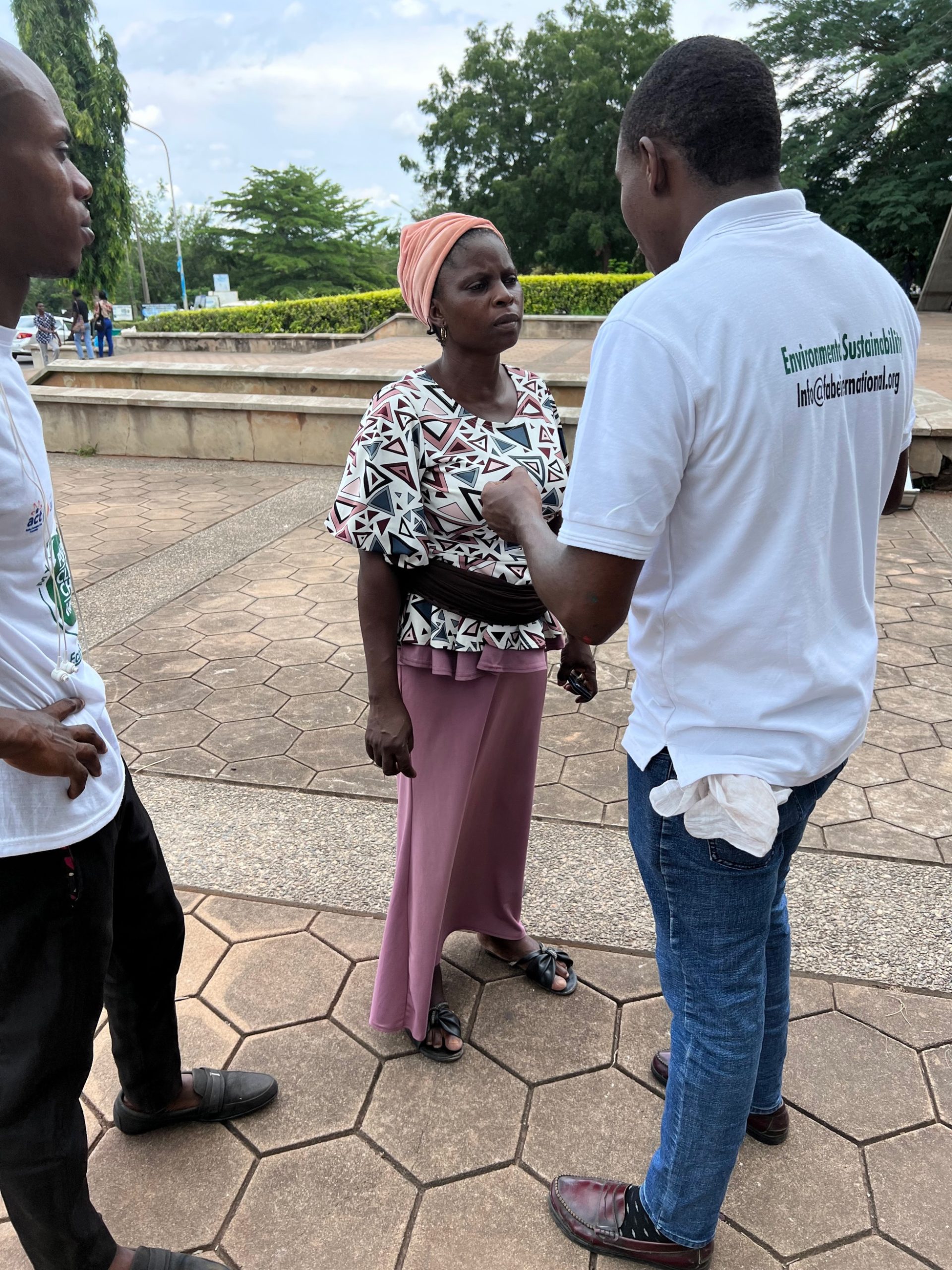
Women frequently shape purchasing, food preparation, household disposal and community routines. Waste Wise Women works with that everyday influence, supporting participants to test better practices and communicate them in ways that make sense locally.
The programme is not presented as a guaranteed income scheme. Where enterprise development is included, FABE and its partners can shape realistic learning around material supply, quality, pricing, customers and market connections.
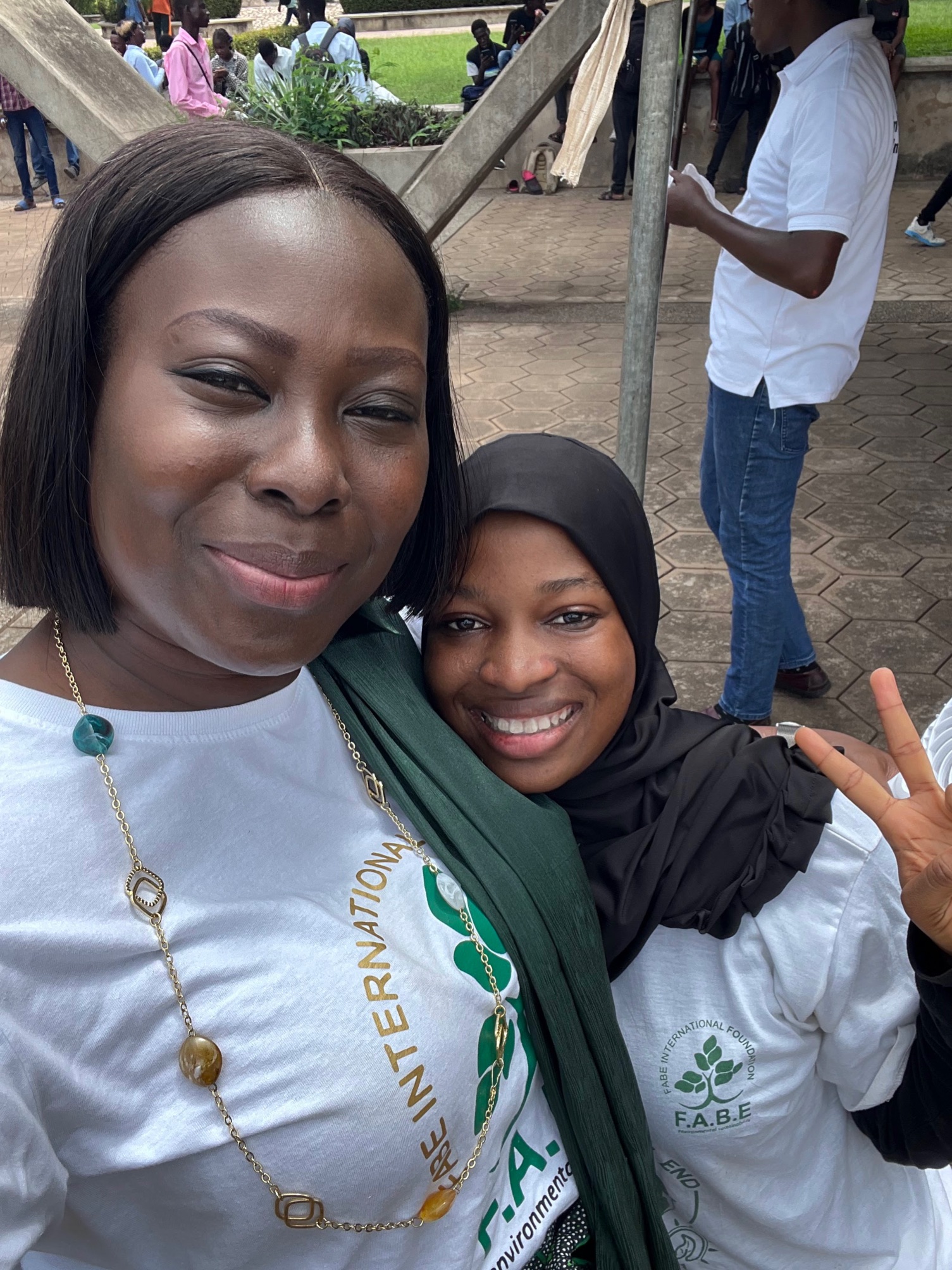
Support women-led circular action
Host a cohort. Sponsor practical learning. Connect skills to opportunity.
Community organisations, women’s associations, public institutions, businesses, funders, technical experts and recycling partners can work with FABE to design a suitable Waste Wise Women intervention.
Contact FABE
Start with the women and the local context.
Use this form to discuss a community training, sponsored cohort, technical contribution, recycling connection, green-enterprise partnership, volunteer opportunity or media request.
info@fabeinternational.org
+234 916 000 4397
16A Ben Chii Onyido Drive
Chevy View Estate, Lekki
Lagos, Nigeria
Programme dates, locations, participant criteria, curriculum depth, partner roles and any funding arrangements are confirmed case by case. Submitting an enquiry does not create a commitment by either party.
FABE INTERNATIONAL FOUNDATION
Creating an eco-conscious generation across Africa through environmental education, circular solutions and community action.
info@fabeinternational.org
+234 916 000 4397
Lagos, Nigeria
© 2026 FABE INTERNATIONAL FOUNDATION. All Rights Reserved.