FABE International Foundation
☰
FABE programme • Youth leadership • Climate action
EcoLeaders Accelerator: turn climate ideas into action.
A six-month learning and leadership pathway that helps emerging Nigerian sustainability leaders build practical knowledge, professional confidence, strong networks and community-ready green projects.
6
months of learning, mentoring and project development
Designed for emerging leaders aged 18–35
18–35
age range used for the 2026 cohort
Nigeria
national focus for eligible participants
6 months
programme commitment in the 2026 framework
Deloitte
supported the 2026 cohort
The programme
A launchpad for Africa’s next generation of environmental leaders.
EcoLeaders Accelerator is FABE International Foundation’s applied development programme for young people who want to contribute to climate action and the green economy. It connects sustainability learning with expert faculty, mentoring, peer exchange, field exposure and the design of practical projects.
The programme is built around a simple idea: knowledge matters most when emerging leaders can translate it into responsible decisions, credible advocacy and measurable action in schools, communities, organisations and enterprises.
Leadership model
Learn deeply. Design responsibly. Lead confidently. Deliver locally.
The accelerator develops both sustainability competence and the practical leadership needed to move an idea from intention to implementation.
01
Learn
Build a grounded understanding of the SDGs, climate change, waste systems, circularity, renewable energy and ESG.
02
Design
Frame environmental challenges, identify stakeholders and develop project concepts that are feasible, inclusive and locally relevant.
03
Lead
Strengthen communication, advocacy, collaboration and professional confidence through faculty and peer engagement.
04
Deliver
Apply project-management discipline and community insight to move green ideas towards visible environmental action.
Expert faculty and mentoring
Knowledge is strengthened by access, guidance and practice.
EcoLeaders learn from practitioners working across environmental policy, climate innovation, youth development and green project delivery. Recent FABE masterclasses have included Environmental Policy, Governance and Advocacy, as well as Green Project Management and Implementation.
The programme also creates opportunities to learn from professional networks and multi-stakeholder conversations—not only from slides and lectures.
Learning domains
A multidisciplinary foundation for green leadership.
01
SDGs & climate literacy
Connecting global sustainability goals to African realities, local risks and practical opportunities for action.
02
Circular economy & waste
Understanding material flows, responsible production, recycling, upcycling and resource-value recovery.
03
Renewable energy
Exploring clean-energy ideas and their relevance to resilient communities, livelihoods and development.
04
ESG & green enterprise
Developing awareness of responsible business, innovation, green careers and the emerging sustainability economy.
05
Policy, governance & advocacy
Learning how institutions, regulation, evidence and public communication influence environmental outcomes.
06
Project delivery
Planning, stakeholder engagement, implementation, monitoring and communication for credible green projects.
Learning in context
From the learning room to the stakeholder table.
During the 2026 programme, FABE reported opportunities for EcoLeaders to engage with practitioners and sector conversations. Participants attended a NESREA implementation dialogue on Nigeria’s plastic-waste regulations and a multi-stakeholder “Less Plastic in Water” roundtable.
These experiences exposed emerging leaders to the relationships between plastic pollution, public health, climate action, regulation, the circular economy and youth participation.
Policy
See how regulation and public institutions shape environmental action.
Practice
Connect classroom concepts with implementation challenges and professional methods.
Networks
Build relationships across disciplines, sectors and communities of practice.
Community application
Small projects can reveal large possibilities.
FABE highlighted an EcoLeaders grantee project led by Mrs Abiola Alabi at Aguda Community Senior Secondary School in Surulere. Students transformed discarded PET-bottle covers into earrings while exploring environmental responsibility, creativity, entrepreneurship and income-generating possibilities.
The example illustrates the programme’s intended bridge between learning and locally meaningful action. Individual projects and outcomes vary by cohort.
Participant journey
A six-month progression from foundation to action.
The exact calendar and faculty may change by cohort, but the 2026 framework reflects a structured combination of training, mentoring, project development, community engagement and professional exposure.
01
Foundation
Build shared language around sustainability, climate action and the SDGs.
02
Masterclasses
Learn from expert faculty across policy, circularity, energy, ESG and project delivery.
03
Project design
Shape a problem statement, stakeholder plan and practical intervention.
04
Field action
Apply learning through school, community or professional engagement.
05
Showcase
Communicate learning, strengthen networks and prepare for continued leadership.
Who the programme is for
Emerging leaders ready to commit, learn and contribute.
The 2026 cohort invited applicants who met the following profile. Requirements for future cohorts may be updated when a new call opens.
- Young Nigerians aged 18–35 and residing in Nigeria
- Demonstrated interest in environmental sustainability, climate action or green innovation
- Capacity to participate in weekly training and sustained programme engagement
- Willingness to support school or community awareness and practical action
- Readiness to collaborate, receive mentoring and develop a project idea responsibly
2026 commitment framework
The published 2026 call described a six-month commitment, eight weeks of mandatory weekly training, at least six hours of engagement per week and participation in school awareness or training activities.
This information is provided as a guide. FABE will confirm the schedule and eligibility requirements for each future cohort.
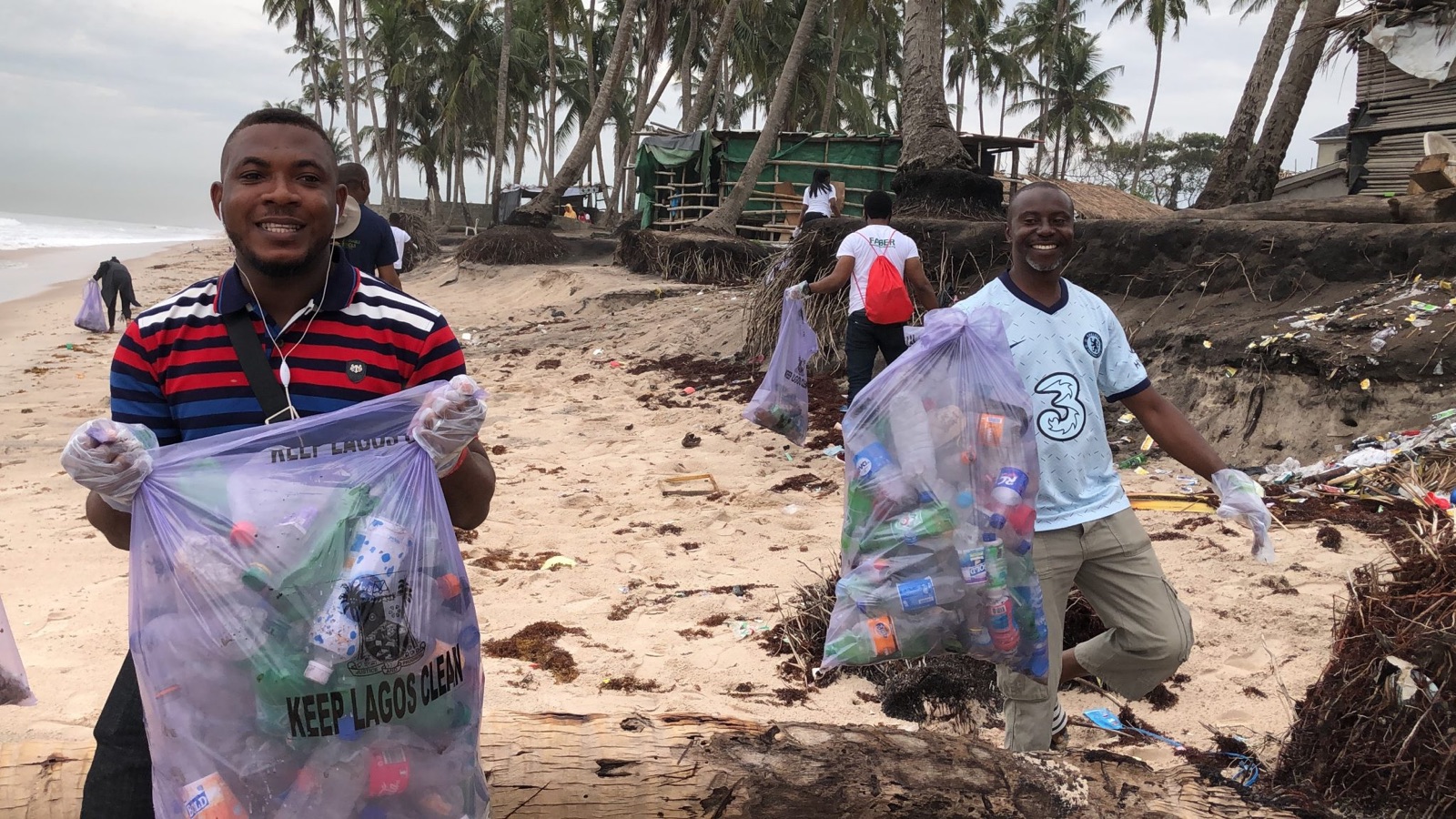
For partners and future participants
Strengthen the pipeline of green talent and community innovation.
Young people can register interest in future cohorts. Corporate, philanthropic, academic and public-sector partners can support faculty engagement, mentoring, participant access, field learning and responsible project development.
Register interest
Be informed when the next cohort opens.
Use this form for participant interest, partnerships, faculty engagement, sponsorship, research or media enquiries. Registering interest is not an application or guarantee of admission.
info@fabeinternational.org
+234 916 000 4397
16A Ben Chii Onyido Drive
Chevy View Estate, Lekki
Lagos, Nigeria
FABE will publish formal dates, requirements and application instructions for any future cohort through its official channels.
FABE INTERNATIONAL FOUNDATION
Creating an eco-conscious generation across Africa through education, empowerment and environmental action.
info@fabeinternational.org
+234 916 000 4397
Lagos, Nigeria
FABE International Foundation
Creating an eco-conscious generation across Africa through education, empowerment and environmental action.
© FABE International Foundation. Environmental sustainability in action.
© 2026 FABE INTERNATIONAL FOUNDATION. All Rights Reserved